Land plots in Chamonix used to change hands quietly, often within families or tight-knit communities. Those days are gone. Today, every square meter of buildable terrain is eyed by investors, developers, and international buyers chasing the alpine dream. The valley’s charm hasn’t faded-but the competition has intensified. If you’re serious about building your own chalet, you need more than just capital. You need timing, local insight, and a clear strategy to navigate a market where opportunities vanish fast.
The current state of Chamonix real estate for developers
Chamonix’s real estate market has evolved into a high-stakes arena where availability doesn’t always match demand. True buildable land is scarce, and what comes to market often sells before it reaches public listings. This isn’t speculation-it’s the reality of a valley hemmed in by national park boundaries and strict urban planning. Yet, for those who know where to look, opportunities do exist. Building a custom chalet starts with securing the right plot, and you can find several opportunities for prime building land for sale in Chamonix.
Identifying rare opportunities in the valley
Most available plots aren’t advertised on mainstream portals. They move through private networks, brokered by agencies with deep roots in the region. Success often depends on being on the right radar. Some landowners prefer discreet sales to avoid bidding wars or community scrutiny. That’s where local expertise becomes essential-knowing not just what’s listed, but what might come available.
Land with mountain views: The ultimate premium
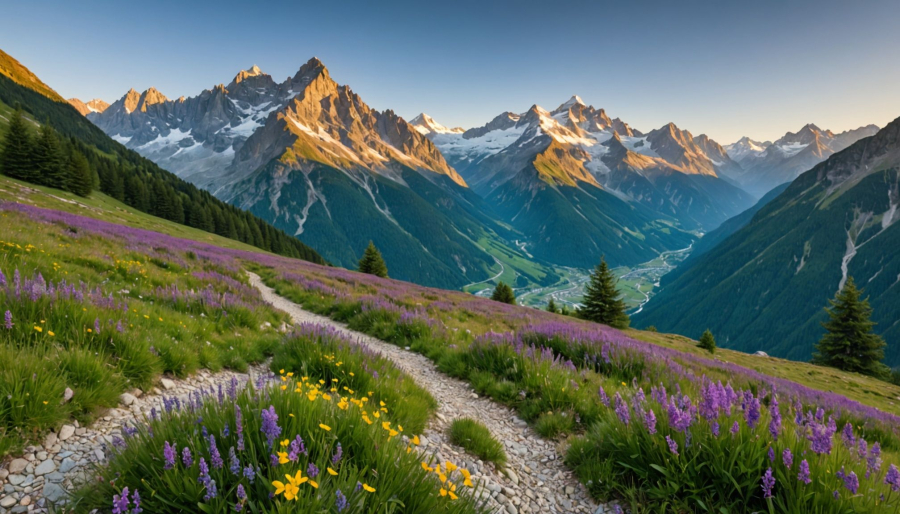
A plot with a direct line of sight to Mont Blanc isn’t just desirable-it’s a long-term asset. These parcels command significantly higher prices, sometimes double or more than land without panoramic exposure. The visual impact translates directly into rental yields and resale value. Investors targeting luxury short-term rentals prioritize views above all else. For private owners, it’s about lifestyle. Either way, unobstructed vistas are non-negotiable in premium positioning.
Understanding local zoning regulations (PLU)
Before any transaction, the Plan Local d’Urbanisme (PLU) must be reviewed. It dictates buildable surface area, height limits, and architectural style requirements. In Chamonix, the PLU often restricts developments to traditional Savoyard forms-steep roofs, wooden cladding, stone bases. Some zones limit construction to 20-30% of the land area. Ignoring these rules early can lead to costly rework or permit denials. Always verify zoning before making an offer.
Comparing top sectors for buying land in Chamonix
Not all sectors offer the same advantages. Location affects sunlight, accessibility, noise, and long-term appreciation. Here’s how three key areas compare:
| Area | Sun Exposure | View Quality | Typical Price Range (€/m²) |
|---|---|---|---|
| Les Praz | Afternoon to evening | Mont Blanc massif, Flégère range | 800-1,200 |
| Argentière | Morning to midday | Glacier du Géant, Grands Montets | 600-900 |
| Les Bossons | Full day, south-facing slopes | Lateral peaks, partial Mont Blanc | 700-1,000 |
Les Praz: The prestige choice
Les Praz combines proximity to Chamonix town with a quieter, elevated setting. It’s steps from the Flégère lift and the golf course, making it ideal for year-round use. The area attracts buyers seeking both convenience and exclusivity. Plots here are limited, and demand remains steady among high-net-worth individuals. The village retains a traditional feel, which helps maintain architectural harmony.
Argentière: Authenticity and slope access
Further north, Argentière offers a more rugged character. It’s a favorite among serious skiers and climbers, thanks to direct access to the Grands Montets. The land tends to be steeper, which can increase construction costs, but the sense of immersion in nature is unmatched. This sector appeals to those who value authenticity over polish. Off-market deals are common, often facilitated by long-standing local contacts.
Les Bossons: The sunnier alternative
One of the valley’s best-kept secrets is Les Bossons’ superior sunlight exposure. Sheltered from northern winds and oriented south, it enjoys more consistent daylight than central Chamonix. The atmosphere is residential and calm, with fewer tourists passing through. While the Mont Blanc view isn’t always frontal, the tranquility and solar gain make it a smart long-term play-especially for energy-efficient builds.
Key steps to buy land in the French Alps
Purchasing land in this region isn’t a simple transaction. It’s a multi-phase process that blends legal, technical, and financial considerations. Skipping steps can lead to delays or unexpected costs.
- Soil study (étude de sol): Mandatory for most plots, especially on slopes. Determines foundation needs and potential risks like landslides.
- Architect consultation: Early engagement ensures your design aligns with PLU rules and terrain constraints.
- Building permit (permis de construire): Typically takes 3-6 months to process. Requires detailed plans and compliance documentation.
- Notary process: Finalizes ownership. Includes due diligence, tax calculations, and registration.
Securing your real estate investment
The standard deposit is 10% of the purchase price, paid upon signing the preliminary contract (compromis de vente). The full amount is due at closing, usually 2-3 months later. Financing through French banks is possible for non-residents, but proof of income and down payment (typically 30-40%) are required. Cash buyers move faster-a clear advantage in competitive situations.
Architectural constraints in the valley
Chamonix protects its Savoyard heritage through strict design codes. Modern luxury must blend with traditional forms. Large glass facades may be limited; roof pitches are regulated. The goal is harmony with the landscape. The best architects in the region specialize in this balance-merging high-end materials with alpine aesthetics. This isn’t a limitation; it’s a guarantee of timeless appeal.
Managing the building permit timeline
Delays in permit approval are one of the biggest risks in alpine construction. The municipality may request additional studies or revisions. To stay on track, work with a local architect who understands the municipal expectations. Some agencies offer turnkey support, coordinating between surveyors, architects, and officials. This kind of investment security can save months-and thousands in holding costs.
Evaluating vacant land for long-term growth
Buying land isn’t just about building a home-it’s about securing a rare commodity. In mountain resorts like Chamonix, buildable plots aren’t just scarce; they’re finite. National park borders and protected zones mean no new land will be released. This scarcity underpins long-term value. Unlike other real estate, alpine land rarely depreciates. Even in downturns, prices tend to stabilize rather than collapse.
Resale value of new chalets
A custom-built chalet on a well-chosen plot often outperforms existing properties in resale value. Buyers pay a premium for modern amenities, energy efficiency, and personalized design. A new build with a panoramic view can appreciate faster than a renovation project with structural limitations. The initial effort pays off in both comfort and capital gain.
The scarcity factor in mountain resorts
What makes Chamonix different from urban markets is the hard ceiling on supply. You can’t expand the valley. You can’t bypass the park boundaries. Every plot sold is one fewer available forever. This creates a floor under pricing. Even during economic slowdowns, demand from global buyers keeps pressure on the market. For investors, this isn’t speculation-it’s structural reality.
Partnering with Chamonix property agencies
Local agencies aren’t just listing platforms-they’re gatekeepers to off-market inventory. The most desirable plots never hit public portals. They’re shared selectively among trusted partners. International buyers, in particular, benefit from representation that speaks their language and understands cross-border transactions. A strong agency doesn’t just show you land-they anticipate your needs and alert you before the competition does.
The advantage of local market insights
Real expertise means knowing which landowners might sell, even if they haven’t announced it. It means understanding upcoming zoning changes or infrastructure projects that could affect value. These insights come from years of presence in the valley, not data scraping. For buyers from abroad, this local pulse is irreplaceable. It turns a blind bid into a strategic acquisition.
Commercial land versus residential plots
Regulations differ significantly between residential and commercial use. A plot zoned for a hotel or rental complex faces different density rules and approval processes. Some areas restrict short-term rentals altogether. Before committing, confirm the intended use is permitted. Misalignment here can derail a project before it begins. Always verify zoning with the municipality or a legal advisor.
Why location matters for your alpine project
Even within Chamonix, a few hundred meters can make a dramatic difference in quality of life. Proximity to lifts, noise levels, sunlight, and future development plans all shape your experience-and your property’s performance.
Distance to ski lifts and amenities
Walking distance to a lift or town center adds convenience and rental appeal. Chalets within 10-15 minutes of a main access point typically command higher nightly rates. For full-time residents, it means easier access to services. But quiet doesn’t always mean remote-some prime plots offer both seclusion and proximity, a rare and valuable combination.
Noise levels and traffic considerations
The main valley road carries significant traffic, especially in peak season. Some plots face direct exposure to noise and headlights at night. Visiting at different times-morning, evening, weekend-gives a true sense of the environment. Elevated or forested plots often provide natural sound barriers. It’s a detail easily overlooked in photos, but felt every night.
Future development projects in the valley
Check the commune’s master plan for upcoming infrastructure. A new housing zone nearby could change the character of your surroundings. Conversely, a planned trail or green space might enhance your view. Being informed protects your investment. Some buyers assume the landscape is frozen in time-but towns evolve. Staying ahead of these changes is part of smart ownership.
Common questions about land in Chamonix
Is it still possible to find plots with a direct view of Mont Blanc?
Yes, but they are extremely rare and typically sell quickly, often through private networks. These premium parcels command high prices due to their visual impact and long-term value, making early access and local connections essential for success.
What is the biggest mistake first-time land buyers make in the Alps?
Underestimating the cost of ground preparation, especially on rocky or sloped terrain. Excavation, foundation work, and access road construction can significantly exceed initial budgets, so a detailed soil study and realistic financial planning are crucial.
Are there new ecological regulations for building in the valley?
Yes, the RE2020 standards apply to all new constructions, requiring high energy performance, sustainable materials, and reduced carbon impact. Compliance is mandatory and affects design choices, so early consultation with a local architect is recommended.
